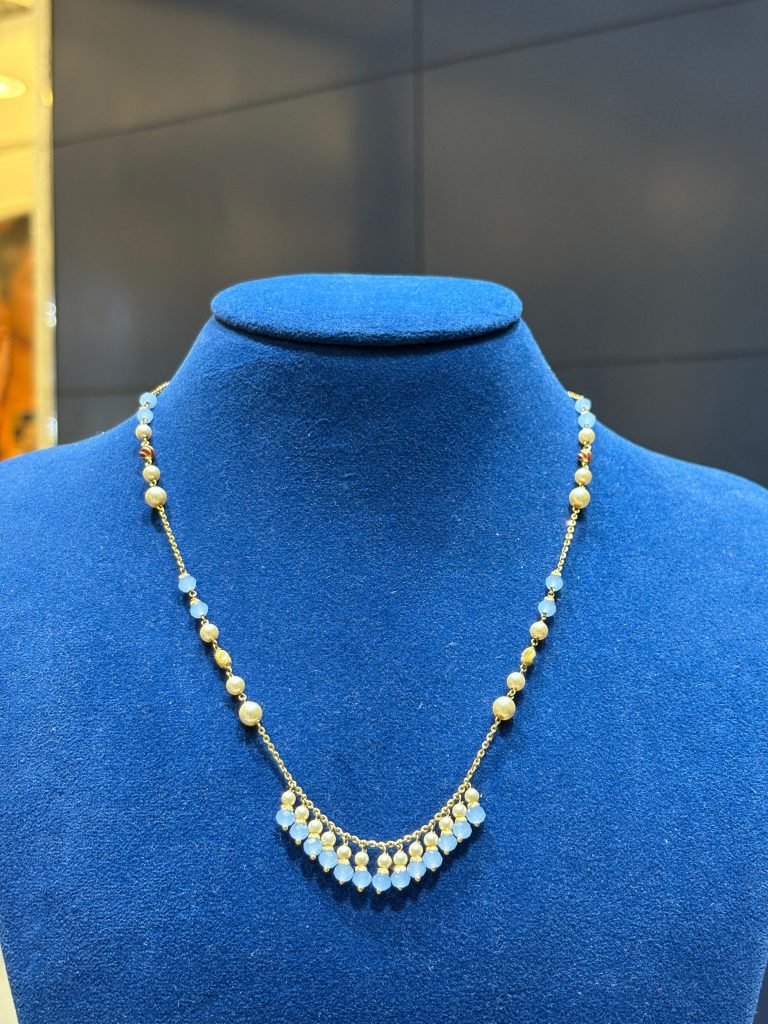
How to Identify Real Gold Jewellery
How to Identify Real Gold Jewellery is not a tough job but a very important one. Jewellery is not just an accessory, it contains memories and pride. It represents tradition, trust, timeless beauty, and financial value. Whether you are purchasing gold earrings for everyday wear, a necklace for a wedding, or a gold bangle for a special occasion, ensuring that your jewellery is genuine is essential and it needs to be real and verified
But is identifying real gold jewellery easy? With so many designs, finishes, and gold-plated alternatives available in the market, identifying genuine gold can sometimes feel confusing. The good news is that there are several ways to check gold purity before making a purchase.
In this guide, we will explore how to identify real gold jewellery, understand gold purity markings, recognise common signs of fake gold, and learn what to check before buying gold jewellery in India.
1. Check the BIS Hallmark on Gold Jewellery
One of the most reliable ways of how to identify real gold jewellery in India is to look for the BIS hallmark. The Bureau of Indian Standards (BIS) oversees the hallmarking system, which helps consumers verify the purity of gold jewellery.
A hallmarked gold ornament provides important information about its declared purity. When purchasing gold jewellery, look for the applicable hallmark details, including:
- BIS logo: Indicates hallmarking under the Bureau of Indian Standards system.
- Purity or fineness mark: Indicates the gold content, such as 22K916 or 18K750.
- Six-digit HUID: The Hallmark Unique Identification number used for traceability of applicable hallmarked jewellery.
Always check that the hallmark details are clear and consistent with the information on your purchase invoice. You can also use the official BIS Care app to verify HUID details for applicable hallmarked jewellery.
Remember, a stamp alone should not be treated as conclusive proof of authenticity. Verify the details through the appropriate official channels.
2. Understand the Difference Between 24K, 22K, and 18K Gold
Understanding gold purity is essential when learning how to identify real gold jewellery. The karat system indicates the proportion of pure gold present in an item.
Here is a simple breakdown:
| Gold purity | Gold content | Common uses |
|---|---|---|
| 24K gold | Approximately 99.9% | Coins and bars |
| 22K gold | Approximately 91.6% | Traditional gold jewellery |
| 18K gold | 75% | Diamond jewellery and contemporary designs |
| 14K gold | Approximately 58.5% | Everyday and fashion jewellery |
Pure 24K gold is relatively soft, which makes it less suitable for many jewellery designs. This is why jewellers often use 22K, 18K, or other gold alloys to improve strength and durability.
For example, 22K gold jewellery contains approximately 91.6% gold, while the remaining portion consists of other metals that help improve its physical properties.
Pro tip: Do not assume that jewellery is fake simply because it is not 24K. Genuine gold jewellery is available in several purity levels.
3. Look for Signs of Gold Plating
Gold-plated jewellery has a layer of gold over a base metal. It can look similar to solid gold when new, but the surface may wear away over time.
Here are a few signs that an item might be gold-plated rather than made from a gold alloy throughout:
- Discolouration or fading around edges and frequently touched areas.
- A different-coloured metal becoming visible underneath the surface.
- Uneven colour or visible wear around clasps and joints.
However, these signs are not definitive. Genuine gold jewellery can also develop scratches or collect dirt, while high-quality gold-plated pieces may retain their appearance for a long time.
To avoid confusion, ask the jeweller whether the item is solid gold, gold-plated, or gold-filled, and request the relevant product details in writing.
4. Check the Weight and Feel of the Jewellery
Gold is a relatively dense metal, so genuine gold jewellery may feel heavier than a similarly sized item made from some common base metals.
If a piece feels unusually light for its size, it may be worth asking additional questions about its construction and composition.
However, weight alone cannot confirm whether gold is genuine. Hollow gold jewellery, intricate designs, gemstones, and differences in alloy composition can all affect the overall weight.
For a more reliable assessment, compare the jewellery’s declared purity, weight, and invoice details rather than relying only on how heavy it feels.
5. Avoid Relying on the Magnet Test Alone
You may have heard that real gold does not stick to a magnet. While pure gold is not magnetic, this test has limitations.
If a piece is strongly attracted to a magnet, it may contain certain magnetic metals. However, this does not automatically prove that the entire item is fake. Jewellery clasps, springs, and other components may contain different materials.
Similarly, an item that does not react to a magnet is not necessarily genuine gold. Many non-gold metals are also non-magnetic.
The takeaway: A magnet test can offer a preliminary clue, but it cannot reliably establish gold purity or authenticity.
6. Be Careful With Home Gold Testing Methods
Several popular home remedies claim to identify real gold, including vinegar tests, ceramic scratch tests, and acid tests. These methods can be misleading or damage your jewellery.
For example, scratching a jewellery piece may leave permanent marks, while chemical testing can damage certain finishes, gemstones, or other components.
Avoid using harsh chemicals or scratching valuable ornaments to check whether they are genuine. If you suspect that your jewellery may not be authentic, consult a qualified jeweller or an appropriately equipped gold-testing professional.
Professional testing methods can help determine the gold content more reliably than appearance-based home tests.
7. Purchase Gold Jewellery From a Trusted Jeweller
One of the simplest ways to reduce the risk of buying counterfeit or misrepresented gold jewellery is to choose a reputable jeweller.
Before purchasing, check the following:
- Whether the applicable BIS hallmark details can be verified.
- Whether the jeweller provides a detailed purchase invoice.
- Whether the gold purity and net gold weight are clearly stated.
- Whether making charges, taxes, and other applicable costs are explained.
- Whether the store has a clear exchange, buyback, and return policy.
A trustworthy jeweller should be willing to answer questions about gold purity, hallmarking, pricing, and product specifications.
Do not make a purchase decision based on a low price alone. If an offer seems unusually attractive compared with prevailing market prices, ask for a clear explanation of the pricing and purity.
8. Always Check the Gold Jewellery Invoice
An itemised invoice is an important part of a transparent gold jewellery purchase. It helps you understand what you are paying for and provides a record of the transaction.
Your invoice should clearly identify the jewellery and specify relevant details such as:
- Gold purity or karatage.
- Net gold weight, where applicable.
- Rate of gold used for the calculation.
- Making charges.
- Applicable taxes.
- Details of gemstones or other materials, where relevant.
Compare the invoice with the jewellery’s stated purity and hallmark details. If anything appears inconsistent, ask the jeweller to clarify it before completing the purchase.
Keeping your invoice safe can also be useful when you want to exchange, repair, or sell your jewellery in the future.
9. Know the Difference Between Real Gold and Fake Gold
Understanding the distinction between genuine gold, gold-plated jewellery, and imitation jewellery can help you make a more informed decision.
Real gold jewellery: Made from a gold alloy with a specified gold content, such as 22K or 18K.
Gold-plated jewellery: Made from a different base material with a layer of gold applied to its surface.
Imitation jewellery: Designed to resemble precious-metal jewellery but made primarily from non-gold materials.
These categories may look similar, especially in photographs or under certain lighting conditions. Colour, shine, and appearance alone cannot establish gold purity.
When purchasing gold as a long-term possession or for an important family occasion, prioritise verifiable purity information over visual appearance.
10. Get Gold Purity Professionally Tested When in Doubt
If you have inherited gold jewellery, purchased an old ornament without documentation, or suspect that a piece has been misrepresented, professional testing is a sensible next step.
A suitable gold-testing centre or qualified professional can assess the item’s composition using appropriate methods. Depending on the item and testing method, results may be more informative than simple visual checks.
If you plan to sell or exchange old gold jewellery, ask about the testing process, how purity is calculated, and whether any stones or non-gold components are excluded from the assessed gold weight.
This helps you understand the value of your jewellery and make decisions with greater confidence.
Common Mistakes to Avoid When Buying Gold Jewellery
Even careful buyers can make mistakes when they focus only on the design or price. Keep these common pitfalls in mind:
- Assuming that yellow colour automatically means genuine gold.
- Believing that every gold item must be 24K to be authentic.
- Relying entirely on a magnet or other home test.
- Ignoring hallmark verification and invoice details.
- Overlooking making charges and other costs.
- Purchasing from an unfamiliar seller without checking their credibility.
A little research before purchasing can help you protect your money and choose jewellery that meets your expectations.
Frequently Asked Questions (FAQs)
1. How to identify real gold jewellery at home?
Start by checking the purity marking and applicable BIS hallmark details. You can also examine the piece for visible signs of plating or discolouration. However, home checks cannot conclusively establish authenticity. For greater confidence, verify the HUID where applicable or seek professional testing.
2. How can I check whether 22K gold is real?
Look for the appropriate purity mark, such as 22K916, and verify the applicable hallmark details. Check the invoice for the declared purity and gold weight. If you remain uncertain, consult a qualified gold-testing professional.
3. Does real gold stick to a magnet?
Pure gold is not magnetic. However, many non-gold metals are also non-magnetic, and jewellery may contain components made from different materials. Therefore, the magnet test cannot independently confirm whether jewellery is genuine.
4. Can fake gold have a hallmark?
A stamp can be copied or misrepresented, so the presence of a hallmark-like marking alone is not enough. Verify the applicable hallmark information through official channels and ensure that the details match the jewellery and invoice.
5. Is 22K gold better than 18K gold?
Neither is universally better. 22K gold has a higher gold content and is commonly used for traditional Indian jewellery. 18K gold contains 75% gold and is often selected for designs that require greater hardness or gemstone settings. The right choice depends on your design, usage, budget, and preferences.
6. What is the most reliable way to check gold purity?
Checking applicable hallmark details and having the jewellery assessed by a qualified professional are more reliable than relying on colour, weight, or home tests alone.
Final Thoughts: Buy Gold With Confidence
Knowing how to identify real gold jewellery helps you make informed decisions, whether you are purchasing a traditional necklace, a pair of gold earrings, or a special gift for a loved one.
Remember to verify the applicable BIS hallmark, understand gold purity, review the invoice, and buy from a jeweller who values transparency. Avoid relying on a single home test, as no simple visual check can guarantee that gold jewellery is genuine.
At Suniti Jewellers by Lakhichand, we believe that purchasing jewellery should be an experience built on trust, clarity, and lasting relationships. After all, gold is precious not only for its value but also for the memories and traditions it represents.
Suniti Jewellers by Lakhichand — Trusted For Generations.